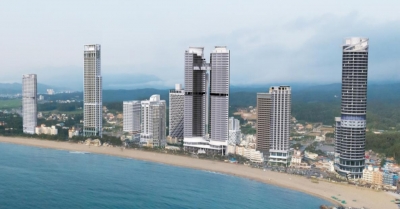
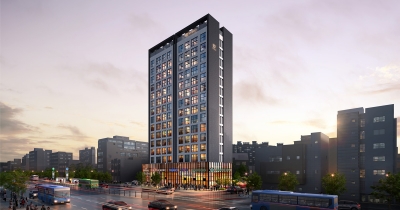
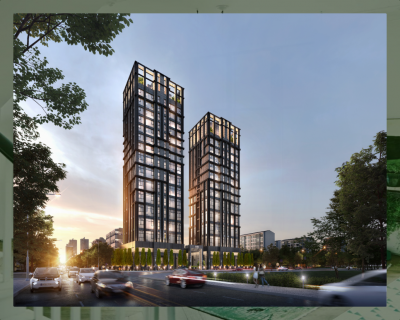
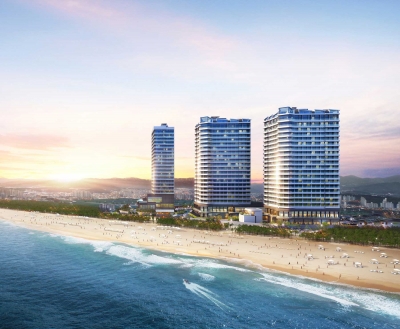
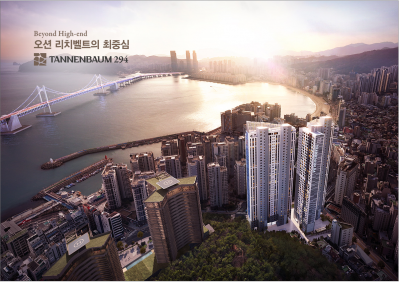
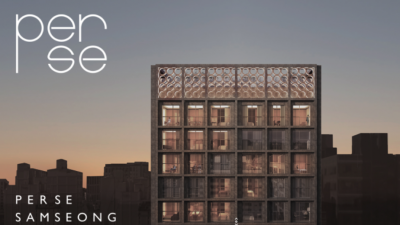
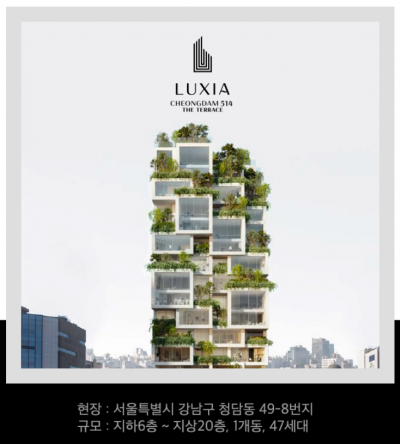
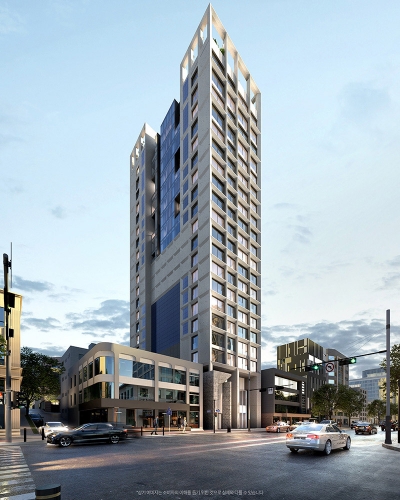
Featuring excellent amenities and the best schools for your children
Click for More.
Discover Seoul.
Savor amazing food and drinks / Relax with art performances / Visit beautiful historic sites
Click for More.
Experience the Best of Korea.
You’re closer to Korea’s traditional flavors and charm.
Click for More.
Trend News
Larger homes have increased more in price
The rise in Seoul apartment prices has slowed due to the government’s tightened loan regulations. While transaction volumes have decreased and unsold listings are accumulating, large-sized apartments in Seoul are still setting record-high prices. Experts predict that demand from wealthy individuals, driven by the relative scarcity of large apartments, will further increase their popularity.According to the Monthly KB Housing Price Trends report by KB Real Estate on the 24th, the average sale price of large apartments in Seoul with a dedicated area exceeding 135㎡ was reported at 3.04661 billion KRW last month. This represents a 6% (172.13 million KRW) increase from October last year (2.87448 billion KRW). For the first time since KB began compiling this data in 2016, the average price has exceeded 3 billion KRW. The upward trend has continued for 16 consecutive months since June last year.This trend is also evident in the monthly apartment sale price index by area. Last month, the sale price index for large apartments in Seoul was 105.49, the highest since the statistics began in 2016. Compared to October of last year (100.84), it increased by 4.62%. In comparison, the price increases for other apartment categories during the same period were more moderate: 2.1% for medium-large apartments (102㎡ to 135㎡), 3% for medium apartments (85㎡ to 102㎡), 2.52% for small-medium apartments (60㎡ to 85㎡), and 1.4% for small apartments (under 60㎡).
Seoul Attractions
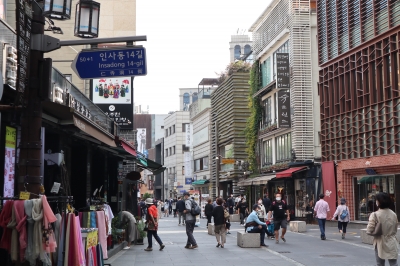
Insa-dong: Journey into Seoul's Timeless Cultural Heart!
Insa-dong is a vibrant neighborhood in Seoul, South Korea, renowned for its rich cultural heritage, traditional arts, and crafts. It offers a unique blend of old and new, making it a must-visit destination for anyone interested in Korean culture and history. Here’s an introduction to Insa-dong:Cultural and Historical Significance1. Traditional Korean Culture : Insa-dong is a hub for traditional Korean culture and art. The area is home to numerous antique shops, art galleries, and traditional tea houses that preserve and showcase Korea’s rich cultural heritage.2. Historical Landmarks : The neighborhood has several historic sites, including temples and traditional Korean houses (hanoks), which offer a glimpse into Korea’s past. Art and Crafts1. Antique Shops : Insa-dong is famous for its antique shops that sell a variety of items, including ceramics, paintings, calligraphy, furniture, and other traditional Korean artifacts. These shops are perfect for those looking to purchase unique souvenirs or gifts.2. Art Galleries : The area is dotted with art galleries showcasing both traditional and contemporary Korean art. Visitors can explore exhibitions featuring everything from ancient pottery to modern paintings and sculptures. Food and Drink1. Traditional Tea Houses : Insa-dong is known for its traditional tea houses, where visitors can enjoy a variety of Korean teas and traditional snacks in a serene and authentic setting. These tea houses often feature beautiful hanok architecture and interiors.2. Restaurants and Street Food : The neighborhood offers a wide range of dining options, from traditional Korean restaurants to street food stalls. Popular dishes include bibimbap, jeon (Korean pancakes), and tteok (rice cakes). Street vendors sell snacks like hotteok (sweet pancakes) and bungeoppang (fish-shaped pastries filled with sweet red bean paste).Attractions1. Ssamziegil : A popular shopping complex in Insa-dong, Ssamziegil is designed to resemble a traditional Korean market. It features a spiral walkway that connects various shops selling handmade crafts, souvenirs, and artwork. The rooftop garden offers a great view of the neighborhood.2. Jogyesa Temple: Located nearby, Jogyesa Temple is an important Buddhist temple in Seoul. It’s a peaceful place where visitors can experience traditional Buddhist culture and architecture.Entertainment and Experiences1. Traditional Performances: Insa-dong often hosts traditional performances, including Korean music, dance, and theater. Visitors can enjoy cultural shows and experience the vibrant arts scene.2. Calligraphy and Craft Workshops: Various shops and cultural centers in Insa-dong offer workshops where visitors can learn traditional Korean crafts, such as calligraphy, pottery, and hanji (Korean paper) making.Shopping1. Souvenir Shops : Insa-dong is the perfect place to buy souvenirs, including hanbok (traditional Korean clothing), handmade crafts, and traditional Korean paper products.2. Bookstores : The area has several bookstores specializing in antique books, manuscripts, and traditional Korean literature. AccessibilityInsa-dong is easily accessible by public transportation. The nearest subway station is Anguk Station (Seoul Subway Line 3), and Jonggak Station (Seoul Subway Line 1) is also within walking distance. The area is well-connected by buses and taxis. Tips for Visiting- Best Time to Visit : Insa-dong is lively throughout the day, but weekends are particularly vibrant with more street vendors and cultural performances.- Cash : While many shops accept credit cards, it’s a good idea to carry some cash for street vendors and smaller shops.- Explore Side Streets : Don’t limit your visit to the main street; explore the side alleys to discover hidden tea houses, galleries, and shops.Insa-dong offers a unique cultural experience, blending traditional Korean charm with modern attractions. It’s an ideal destination for those looking to immerse themselves in the rich heritage and artistic spirit of Korea.
Tasty Seoul
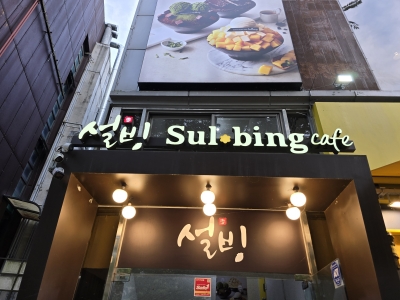
Discover the Delightful Flavors of Sulbing
If you’re looking for a sweet escape that blends tradition with a modern twist, Sulbing is the place to be. As one of Korea’s most beloved dessert cafés, Sulbing has redefined the classic Korean dessert, bingsu, turning it into an irresistible treat enjoyed by people of all ages.Sulbing specializes in bingsu, a Korean shaved ice dessert that’s topped with a variety of delicious ingredients. What makes Sulbing stand out is its innovative take on this traditional dish. From the classic Injeolmi Bingsu, featuring soft rice cakes and roasted soybean powder, to the tropical Mango Bingsu, bursting with juicy mango pieces and creamy ice, Sulbing offers something for everyone.But the magic of Sulbing doesn’t stop at bingsu. The café also offers a range of other desserts and drinks that perfectly complement your bingsu experience. Whether you’re in the mood for a rich piece of tiramisu, a fluffy Korean pancake (hotteok), or a refreshing smoothie, Sulbing has you covered.The atmosphere at Sulbing is just as enjoyable as the desserts. With its cozy, welcoming interiors and soft lighting, it’s the perfect spot to relax, chat with friends, or even enjoy some quiet time alone. Many Sulbing locations also feature large windows that offer beautiful views, making your dessert experience even more special.Whether you’re a local or a visitor, stopping by Sulbing is a must. It’s more than just a dessert café – it’s a place where you can indulge in the sweet fusion of tradition and innovation. So next time you’re craving something sweet, treat yourself to the delightful flavors of Sulbing. You won’t be disappointed!